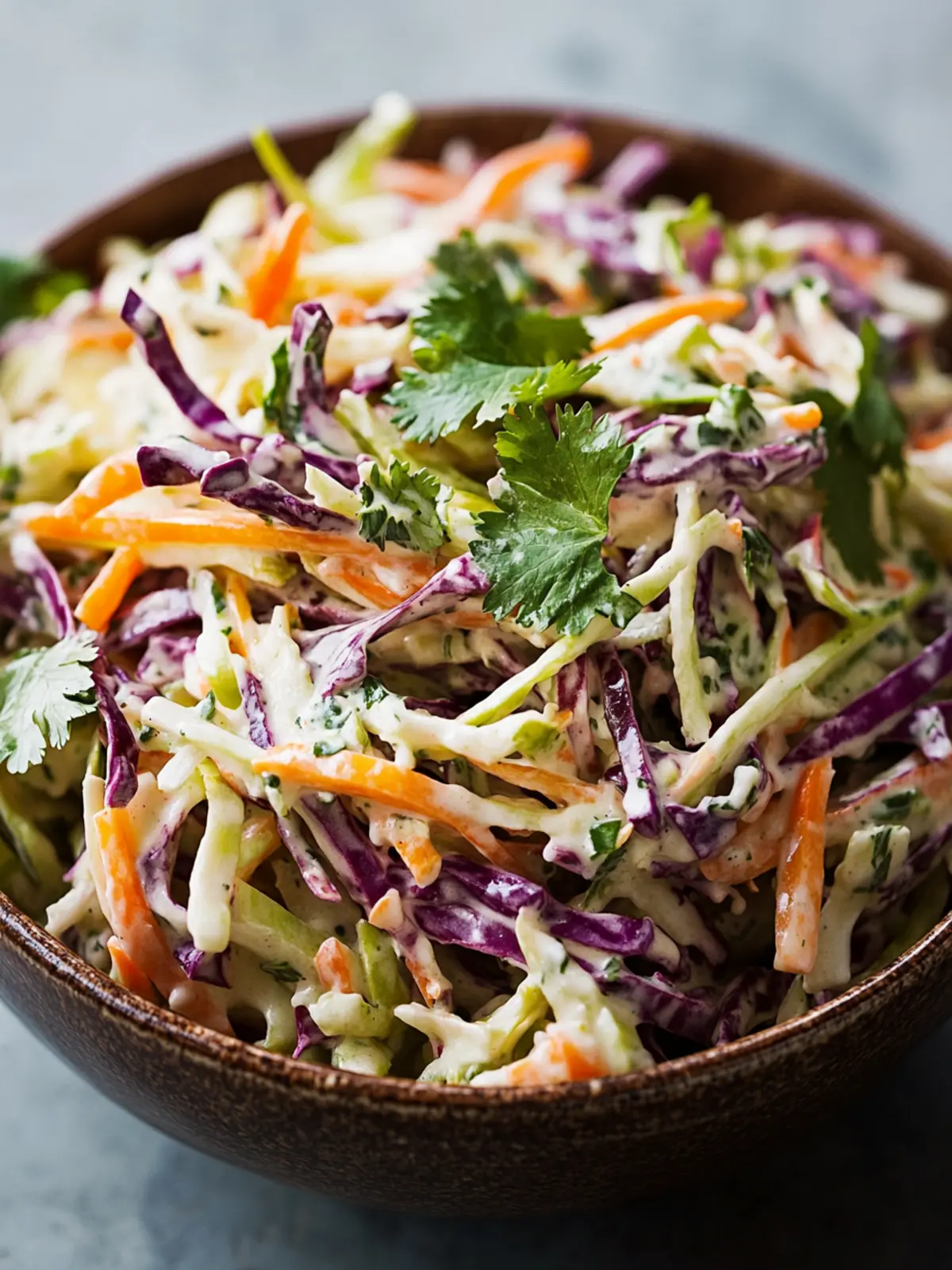
For many, coleslaw is a familiar fixture at backyard barbecues, a humble accompaniment to fried chicken, or a crunchy counterpoint in a pulled pork sandwich. But to relegate this versatile dish to a mere sidekick would be a disservice to its rich history and remarkable global adaptability. Far from being a one-dimensional concoction, coleslaw boasts a fascinating lineage and an impressive array of regional and international variations that elevate it far beyond the side dish status.
From ancient Roman tables to modern fusion cuisine, the core concept of finely shredded cabbage dressed in a zesty sauce has traveled continents and transformed to suit diverse palates. Let's embark on a culinary journey to uncover the hidden depths of coleslaw, exploring its origins, its essential components, and the myriad ways it has been reinterpreted around the world.
The Humble Origins of Coleslaw: A Culinary Journey
The story of coleslaw stretches back much further than most might imagine. While it feels distinctly American today, its roots are firmly planted in antiquity. Evidence suggests that a precursor to modern coleslaw was enjoyed in ancient Rome. As documented in Apicius's 1st-century AD Roman cookbook, De Re Coquinaria, a similar cabbage salad was prepared with vinegar, eggs, and various spices, showcasing an early appreciation for the crisp texture of raw cabbage combined with a tangy dressing.
Centuries later, the direct lineage of what we know as coleslaw emerged from Dutch culinary traditions. It was Dutch settlers who introduced a version of this cabbage salad to North America in the 17th and 18th centuries, particularly along the Hudson River valley in what is now New York. They called it koolsla, a compound word neatly combining kool (cabbage) and sla (salad). This term eventually found its way into English, evolving into "coleslaw." Interestingly, for a time, it was even mispronounced and written as "cold slaw," a charming folk etymology stemming from a misunderstanding of the Dutch "kool" rather than a reference to the dish's serving temperature.
By the mid-18th century, a significant development occurred: the emergence of the modern creamy mayonnaise-based dressing. This innovation solidified coleslaw's place as a beloved staple, particularly in American cuisine, where it became synonymous with Southern comfort food and indispensable at barbecues. If you're eager to delve deeper into its captivating past, you can uncover The Surprising History of Coleslaw: From Roman Salad to Barbecue Classic.
The Core Elements: What Makes a Coleslaw?
Despite its global metamorphoses, the fundamental identity of coleslaw remains remarkably consistent. At its heart, every coleslaw begins with raw, finely shredded cabbage. This core ingredient is non-negotiable, providing the essential crisp texture and mild, slightly sweet base that defines the dish.
- Cabbage Varieties: While green cabbage is the most common choice, its versatility allows for variations using red cabbage for a vibrant color, Napa cabbage for a softer bite, or even Savoy cabbage for its ruffled leaves and delicate flavor.
- The Shred: The fineness of the shred is crucial. Too thick, and it's tough; too fine, and it loses its crunch. A uniform, delicate shred ensures the cabbage absorbs the dressing evenly and maintains its signature crispness.
- Dressings: This is where the magic truly happens.
- Creamy Coleslaw: The classic American version typically features a rich, mayonnaise-based dressing, often balanced with vinegar for tang, a touch of sugar for sweetness, and sometimes a hint of mustard or celery seed for complexity.
- Tangy Vinaigrette: For a lighter, brighter profile, many coleslaws opt for a vinegar-only or oil-and-vinegar dressing, sometimes enhanced with herbs or spices. This style often allows the crispness of the cabbage to shine through even more vividly.
- Common Additions: Shredded carrots are almost universally present, adding sweetness, color, and another layer of texture. Beyond that, the possibilities are endless:
- Onions (red or green) for a pungent kick.
- Bell peppers for freshness.
- Apples or pineapple for fruitiness.
- Nuts (walnuts, pecans) or seeds (sunflower, sesame) for crunch.
The beauty of coleslaw lies in its balance: the crunch of the cabbage, the creaminess or tang of the dressing, and the interplay of sweet, sour, and savory notes. To truly master this balance, you'll want to Unlock the Secret to Perfect Coleslaw: Creamy, Tangy, and Crunchy.
A World of Slaw: Global Coleslaw Variations
The humble combination of cabbage and dressing has inspired countless culinary creations across the globe, each reflecting local ingredients and taste preferences. This adaptability is precisely what makes coleslaw such a fascinating subject for food enthusiasts.
American Regional Riffs
Within the United States alone, coleslaw takes on distinct regional personalities:
- Southern Classic: The quintessential barbecue coleslaw is often sweet, creamy, and heavily mayonnaise-based, sometimes with a touch of buttermilk or celery salt. It's designed to cut through the richness of smoked meats.
- North Carolina Red Slaw: A standout from the Lexington barbecue tradition, this version eschews mayonnaise entirely. Instead, it features a vibrant, tangy, and slightly sweet dressing made primarily from ketchup, vinegar, sugar, and sometimes a hint of hot sauce. It offers a completely different flavor profile and color, making it instantly recognizable.
- Vinegar Slaw: Popular in some parts of the South and Midwest, this lighter style foregoes mayonnaise for a sharp, clear vinegar and oil dressing, often with plenty of black pepper. It's crisp, refreshing, and less heavy.
European Interpretations
Across the Atlantic, cabbage salads take on diverse forms, some bearing a striking resemblance to their Dutch ancestor:
- German Krautsalat: Often found alongside wurst and schnitzel, German cabbage salad (Krautsalat) is typically vinegar-based and can be served warm or cold. Key distinguishing features often include caraway seeds, which lend an aromatic, earthy flavor, and sometimes diced bacon or onion. It emphasizes tanginess and a savory depth.
- British 'Slaw: While creamy mayonnaise-based versions are popular, British coleslaw can sometimes be more robust, incorporating ingredients like finely diced onion, apple, or even celery, often with a slightly sharper dressing.
- Eastern European Varieties: In countries like Poland or Russia, cabbage salads (often simply called 'cabbage salad') might feature sour cream or kefir in the dressing, along with fresh dill or other local herbs, offering a less sweet, more herbaceous and fermented flavor profile.
Asian-Inspired Adventures
The crispness of cabbage lends itself perfectly to the bright, umami-rich flavors of Asian cuisine. While not always explicitly called "coleslaw," these variations embrace the same core concept:
- Sesame-Ginger Slaw: A popular adaptation featuring Napa cabbage, shredded carrots, bell peppers, and a dressing made with toasted sesame oil, rice vinegar, soy sauce, fresh ginger, and sometimes a hint of honey or mirin. Toasted sesame seeds are a common garnish.
- Spicy Thai-Style Slaw: Infused with chili, lime juice, fish sauce, and often cilantro and peanuts, this version delivers a punch of heat and tang, sometimes incorporating thinly sliced red onion or daikon radish for extra bite.
Beyond Cabbage: The 'Slaw' Family
The very term "slaw" has evolved to describe any finely shredded vegetable salad with a dressing, demonstrating the incredible versatility inspired by the original coleslaw. While not strictly coleslaw, these cousins highlight the adaptability of the concept:
- Broccoli Slaw: Using finely shredded broccoli stems and florets, often with a creamy dressing and dried cranberries or sunflower seeds.
- Kale Slaw: Tougher kale leaves are massaged with dressing to tenderize them, often combined with sweet fruits or nuts.
- Apple Slaw: Apples take center stage, sometimes with cabbage, for a fruity, crunchy salad perfect with pork.
Mastering Your Own Coleslaw: Tips for Culinary Success
Creating truly exceptional coleslaw is an art, but one that is easily mastered with a few key techniques and considerations. Moving beyond pre-packaged mixes allows for endless customization and a superior flavor experience.
- The Perfect Shred: Uniformity is key. A sharp chef's knife, a mandoline slicer (with caution!), or a food processor with a shredding attachment can all achieve the desired fine, even strands. This ensures every piece of cabbage is coated and offers a consistent crunch.
- Cabbage Choice Matters: Don't limit yourself to just green cabbage. Experiment with a mix of green and red for visual appeal, or try Napa cabbage for a softer, slightly sweeter base, especially in Asian-inspired slaws.
- Salt and Drain: For truly crisp coleslaw, especially if using a creamy dressing, consider lightly salting your shredded cabbage and letting it sit in a colander for 15-30 minutes. The salt draws out excess moisture, preventing a watery dressing and ensuring maximum crunch. Rinse thoroughly and pat dry before dressing.
- Balance is Key in Dressing: Whether creamy or tangy, aim for a harmony of flavors. Sweetness (sugar, honey, maple syrup) should balance the acidity (vinegar, lemon juice). Savory notes can come from mustard, celery seed, or a touch of onion powder. Taste as you go!
- Rest for Flavor Development: Coleslaw benefits immensely from a resting period. After dressing, cover and refrigerate for at least 30 minutes, or even a few hours. This allows the flavors to meld and the cabbage to slightly soften, becoming more tender while retaining its crunch.
- Keep it Fresh: Coleslaw is best enjoyed within a day or two. If making ahead, store the dressing and shredded vegetables separately and combine just before serving to maintain optimal crispness.
- Experiment Fearlessly: Don't be afraid to add your personal touch. Toasted nuts, dried fruits, fresh herbs like dill or parsley, different types of onions (scallions, red onion), or a dash of hot sauce can all transform your coleslaw into something uniquely yours.
From the foundational crunch of raw cabbage to the vibrant array of dressings and global influences, coleslaw is truly a dish of endless possibilities. It’s a testament to culinary ingenuity, demonstrating how a simple concept can transcend cultures and centuries to become a beloved staple in countless forms. So next time you encounter a bowl of coleslaw, remember its rich history and diverse variations, and perhaps even be inspired to create your own globally-inspired rendition.
