The Surprising History of Coleslaw: From Roman Salad to Barbecue Classic
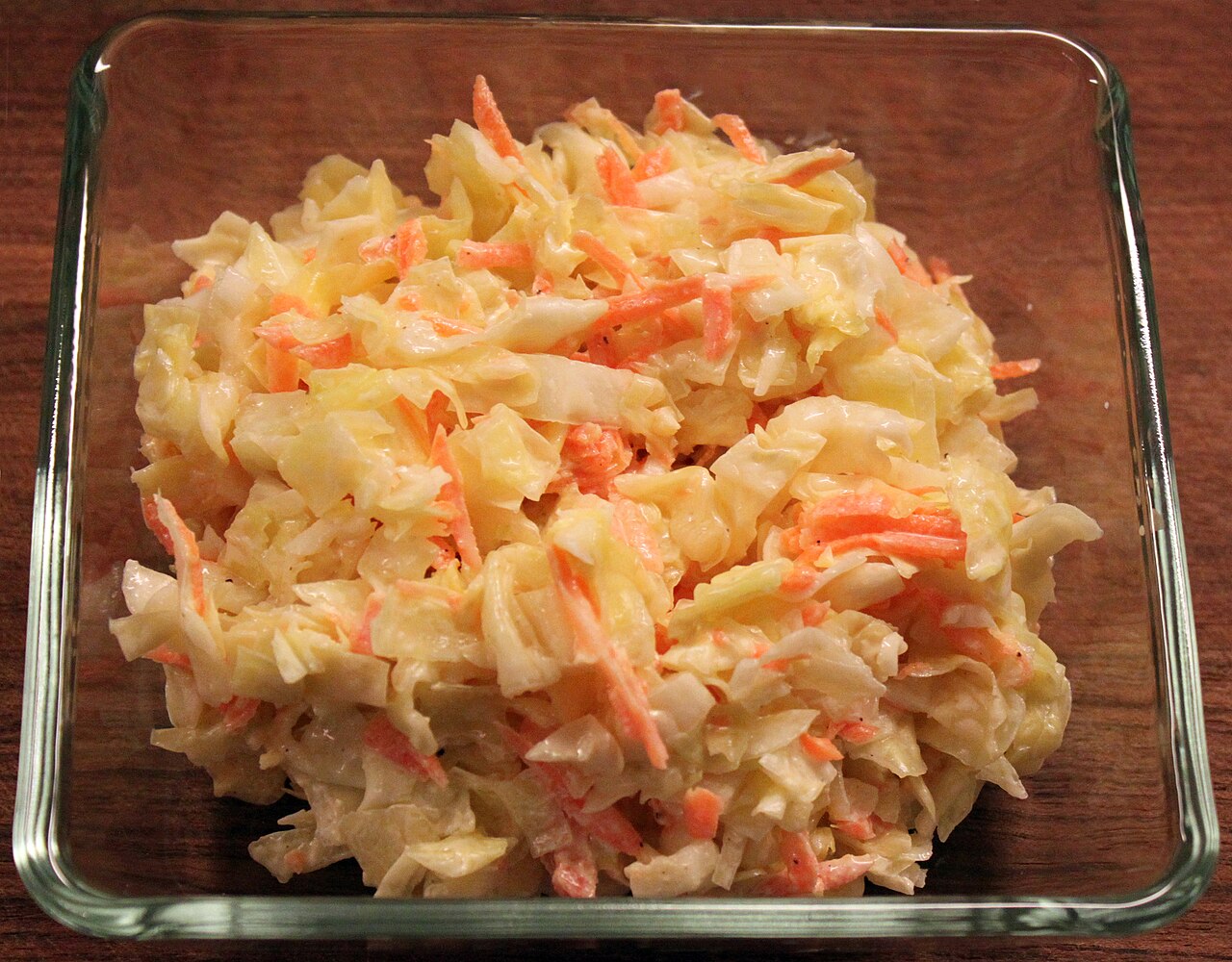
For many of us, the mere mention of coleslaw conjures images of summer barbecues, picnic tables laden with delicious food, or perhaps that comforting side dish accompanying a plate of fried chicken. It’s a seemingly simple salad – shredded cabbage, often carrots, tossed in a creamy or tangy dressing. Yet, beneath its humble exterior lies a surprisingly rich and expansive history, tracing its lineage back not just centuries, but millennia. Far from being a mere accompaniment, the story of coleslaw is a journey through culinary innovation, linguistic evolution, and cultural adaptation, proving it's much more than just a side; it's a testament to the enduring appeal of fresh ingredients and flavorful combinations.
From ancient Roman tables to the bustling kitchens of Dutch settlers and eventually the beloved classic we know today, coleslaw has continuously reinvented itself while holding onto its core identity. Its versatility has allowed it to transcend geographical and cultural boundaries, becoming a global staple with countless regional variations. Prepare to embark on a fascinating historical and culinary exploration, revealing how this ubiquitous dish earned its place in our hearts and on our plates.
Ancient Roots: The Roman Cabbage Connection
The journey of what we now call coleslaw begins not with mayonnaise or backyard grills, but in the bustling kitchens of ancient Rome. Long before refrigeration or even the concept of a "salad" as we understand it, Romans were enjoying a dish remarkably similar to our modern cabbage concoction. As early as the 1st century AD, Roman gourmands were documented consuming a raw cabbage salad, detailed in the venerable cookbook De Re Coquinaria, often attributed to the Roman epicure Apicius.
This early Roman version, a true culinary predecessor, consisted of finely shredded cabbage, dressed with a mixture of vinegar, eggs, and various spices. While it lacked the creamy richness of contemporary mayonnaise-based dressings, it shared the fundamental principle of combining crisp, raw cabbage with a zesty, binding agent. This ancient preparation highlights the Romans' understanding of how to transform simple, readily available vegetables into something flavorful and appealing. It laid the foundational concept: raw cabbage + tangy dressing = deliciousness. This "proto-coleslaw" demonstrates that the idea of a refreshing cabbage salad has a lineage as robust and enduring as the Roman Empire itself.
The Dutch Contribution: Naming the "Koolsla"
Fast forward to the 17th and 18th centuries, and our story shifts across the Atlantic to the burgeoning settlements of North America. It was here, particularly along the fertile Hudson River valley in what is now New York, that Dutch settlers introduced their version of the cabbage salad. This was a pivotal moment in the evolution of coleslaw, not just for its continued culinary development but for its very name.
The Dutch brought with them their culinary traditions, including a dish they called koolsla. This term is a compound of two straightforward Dutch words: kool, meaning "cabbage," and sla, meaning "salad." It was a direct, no-nonsense description of the dish. As these Dutch traditions mingled with English-speaking cultures, koolsla underwent a linguistic transformation. The earliest recorded use of the term in American English, appearing around 1794, was often spelled "cold slaw."
This early spelling is a fascinating example of folk etymology. English speakers, unfamiliar with the Dutch root kool for cabbage, misinterpreted it as "cold," perhaps because the dish was, and still is, typically served chilled. While the dish is indeed cold, the "cole" in coleslaw specifically refers to cabbage (from the Latin caulis, meaning "stem" or "cabbage plant," also seen in "colocasia" or "cole crop"). Over time, as understanding of its Dutch origins solidified and English phonetic conventions adapted, the name evolved into its modern, recognizable form: coleslaw. This linguistic journey perfectly mirrors its culinary one, a delicious blend of different cultures and influences.
The American Staple: Creamy Dressings and Barbecue Bliss
By the mid-18th century, coleslaw had firmly planted its roots in American soil, and a significant culinary innovation transformed it into the beloved side dish we recognize today: the emergence of the modern creamy mayonnaise-based dressing. This development was a game-changer, moving coleslaw beyond simple vinegar-based preparations to a richer, more indulgent profile.
With its creamy texture and tangy-sweet balance, this new dressing style solidified coleslaw's place as an indispensable staple in American cuisine, particularly gaining prominence in the Southern United States. It became the quintessential accompaniment to hearty, flavorful dishes, finding its true calling alongside smoky barbecued meats. The cool, crisp, and slightly acidic nature of coleslaw offers a perfect counterpoint to rich, fatty, and spicy barbecue, cleansing the palate and adding a refreshing crunch.
Core Ingredients and Classic Preparations
At its heart, the core ingredient of any authentic coleslaw is raw cabbage, finely shredded to achieve that essential crisp texture and provide the bulk of the dish. While green cabbage is the most common and provides a mild, neutral base that beautifully absorbs dressings, variations using red cabbage, Napa cabbage, or even Savoy cabbage are also popular, each offering subtle differences in flavor and texture. Red cabbage, for instance, adds a vibrant color and a slightly bolder flavor.
Common additions to the shredded cabbage often include finely grated carrots, which contribute a touch of sweetness, color, and additional texture. Other additions can range from finely diced onions or bell peppers to fruits like apples or pineapple, and even nuts for extra crunch. The dressing, however, is where much of the magic happens:
- Creamy Coleslaw: The most traditional American style, typically features a rich mayonnaise base, balanced with vinegar (apple cider or white), a touch of sugar for sweetness, and sometimes a hint of mustard or celery seed. The key is balancing the creaminess with a pleasant tang and subtle sweetness.
- Tangy Vinaigrette Coleslaw: A lighter alternative, this version foregoes mayonnaise in favor of a vinegar and oil-based dressing. It offers a sharper, more piquant flavor profile, letting the fresh cabbage shine through with vibrant acidity.
Practical Tip: Achieving the perfect crunch and preventing a watery coleslaw starts with the cabbage. Always wash and thoroughly dry your shredded cabbage before mixing it with the dressing. Excess water will dilute your dressing and make your slaw soggy. For an even crisper result, some chefs lightly salt the cabbage and let it drain for an hour before rinsing and drying.
Beyond the Basic Bowl: Regional and Global Interpretations
The beauty of coleslaw lies in its incredible adaptability. What began as a simple Roman cabbage salad has evolved into a global phenomenon, with countless regional and cultural interpretations:
- In Lexington, North Carolina, barbecue tradition dictates a unique "red slaw," which swaps out the creamy mayonnaise for a tangy, ketchup-based dressing, often with a hint of vinegar and spices. It's a bold, sweet, and savory departure from the norm.
- Across the ocean, German *Krautsalat* shares a common ancestor with coleslaw, often incorporating caraway seeds for an earthy, aromatic flavor, and typically dressed with a vinegar and oil combination.
- Asian-inspired variations introduce ingredients like sesame oil, fresh ginger, rice vinegar, soy sauce, or even a touch of fish sauce, creating vibrant, umami-rich salads that showcase coleslaw's versatility as a fusion ingredient.
These adaptations underscore coleslaw's role as a picnic essential, a fantastic sandwich topping (especially on pulled pork), and a versatile component in global cuisine. To delve deeper into these fascinating culinary adventures, explore Beyond the Side Dish: Exploring Coleslaw's Global Variations.
Crafting Your Own Coleslaw Masterpiece
Many of us have encountered a bland, watery, or overly sweet coleslaw that left us unimpressed. But a truly *great* coleslaw is a revelation – perfectly balanced, vibrant, and bursting with fresh texture. It elevates any meal it accompanies. The quest for that ultimate, perfectly balanced slaw is a noble one, and it's entirely achievable in your own kitchen.
Creating a sensational coleslaw isn't just about throwing ingredients together; it's about understanding the synergy between texture, flavor, and freshness. Here are some actionable tips to transform your homemade coleslaw from good to unforgettable:
- Shredding Matters: Finely shredding the cabbage is crucial. Whether by hand with a sharp knife, a mandoline, or a food processor, uniform, thin shreds ensure the dressing coats every piece and provides a delicate crunch.
- Balance is Key: The dressing is the heart of coleslaw. Aim for a harmonious balance of sweet, tangy, and creamy. If using a creamy dressing, don't be afraid to add a good splash of apple cider vinegar for brightness and cut through the richness. A pinch of sugar (or a healthier alternative like maple syrup) can enhance flavors without making it cloyingly sweet.
- The Power of Salt: A little salt doesn't just season; it can draw out excess moisture from the cabbage, helping it stay crisp and preventing a watery bottom in your bowl. (Remember the tip about salting, rinsing, and drying for extra crispness!)
- Freshness Above All: Use the freshest possible cabbage and carrots. Their crispness is paramount to a good coleslaw. Avoid pre-shredded bags if possible, as they often lack the vitality of freshly cut vegetables.
- Let it Mingle: While delicious immediately, coleslaw often benefits from chilling in the refrigerator for at least 30 minutes, or even a few hours, before serving. This allows the flavors to meld and the cabbage to slightly soften, becoming more pliable and absorbing the dressing beautifully. Don't let it sit too long, though, or it can become too soft.
- Customize to Taste: Don't be afraid to experiment with add-ins like finely chopped green onions, bell peppers, fresh herbs like parsley or dill, or a dash of hot sauce for a kick.
For more in-depth guidance and specific recipe ideas to master your coleslaw game, you'll find invaluable secrets in Unlock the Secret to Perfect Coleslaw: Creamy, Tangy, and Crunchy.
From its humble beginnings as a Roman cabbage salad to its iconic status as an American barbecue classic, coleslaw has proven its resilience and adaptability through millennia. Its fascinating history, deeply rooted in diverse cultures and culinary traditions, highlights its evolution from a simple necessity to a celebrated side dish. Whether you prefer the creamy Southern style, a zesty vinegar-based version, or an exotic global twist, coleslaw remains a testament to the timeless appeal of fresh, vibrant ingredients. So next time you enjoy a spoonful, take a moment to appreciate the incredible journey of this surprisingly ancient, yet eternally modern, culinary delight.
